The Reggio Emilia Approach
An educational philosophy born from hope, built on respect, and centered on the extraordinary potential of every child.
"Children are not empty vessels to be filled, but fires to be kindled."
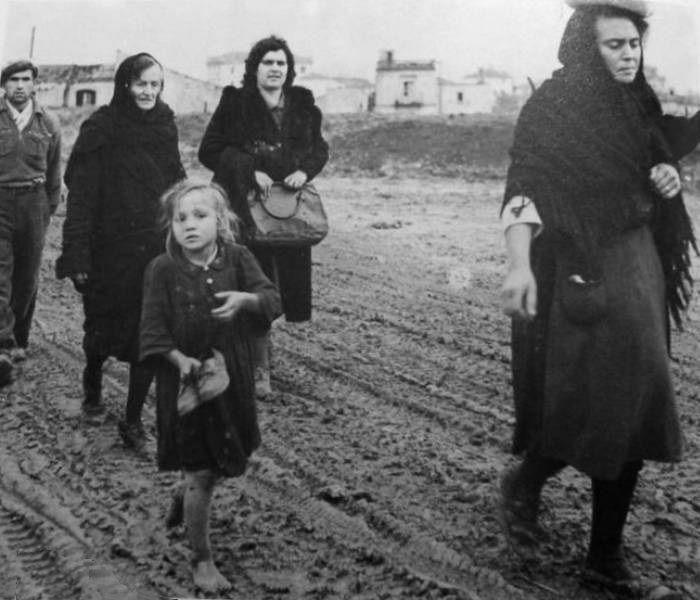
Born from the Rubble
In the aftermath of World War II, the people of Reggio Emilia, Italy, came together with a revolutionary idea.
They sold an abandoned tank, some trucks, and horses left behind by retreating soldiers. With this money, they built a school, not just any school, but one designed to raise children who would think critically, question boldly, and never again allow fascism to take hold.
A young teacher named Loris Malaguzzi heard about this parent-led initiative and cycled out to see it. What he found changed his life and eventually, early childhood education around the world.

The Hundred Languages
The child has a hundred languages,
a hundred hands, a hundred thoughts,
a hundred ways of thinking,
of playing, of speaking.
A hundred, always a hundred
ways of listening, of marveling, of loving,
a hundred joys for singing and understanding...
The Image of the Child
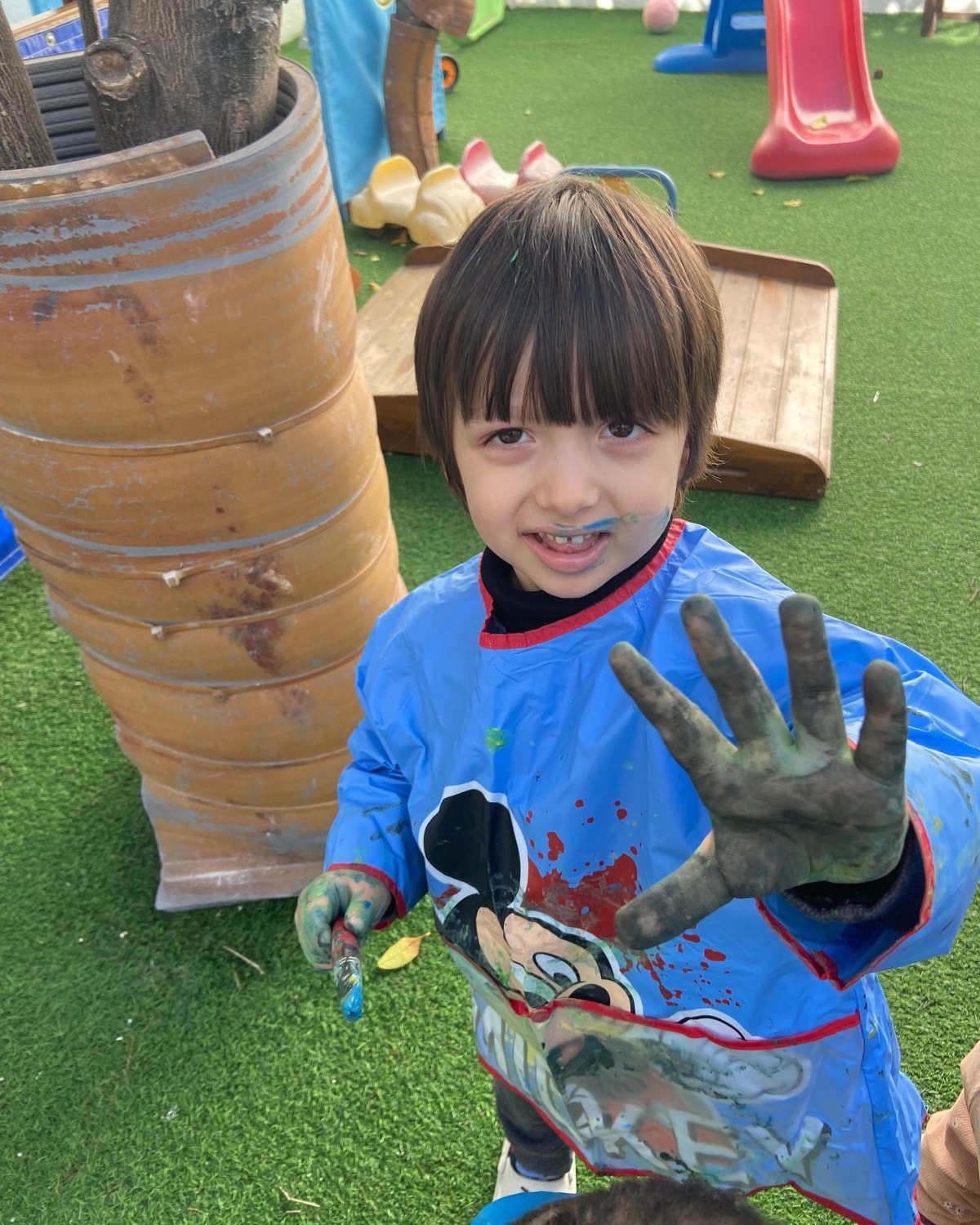
In Reggio Emilia, children are seen as strong, capable, and resilient. They are not blank slates waiting to be written on, but individuals brimming with potential, curiosity, and their own unique way of understanding the world.
Every child has rights, not just needs. The right to be heard. The right to wonder. The right to learn in their own way and at their own pace.
Environment as the Third Teacher
Alongside parents and educators, the environment itself teaches. Spaces are designed with intention, filled with natural light, beautiful materials, and invitations to explore.
Walls become storytellers, displaying children's work and the journey of their thinking. Every corner whispers possibility.
Learning That Emerges
There is no rigid curriculum here. Learning emerges from curiosity from a child's question about shadows, a fascination with insects, a wonder about rain.
Educators listen deeply, observe carefully, and design experiences that extend children's natural interests into rich, meaningful investigations.
The Educator's Role
Not a lecturer. Not simply a caregiver. A partner in discovery.
Reggio educators believe that the best teaching happens when adults step back from directing and instead walk beside children on their journey of discovery, ready to offer a new material, ask a thoughtful question, or simply marvel together at something beautiful.
How Learning Unfolds
Projects can last days, weeks, or months, following wherever curiosity leads.
A child notices a spider web glistening in morning light
"How did the spider make this? Why doesn't it stick to its own web?"
Drawing webs, building with string, watching spiders, reading together
Creating art, telling stories, sharing discoveries with families

At San Luigi
We don't claim to be a "Reggio school". That approach belongs to its community in Italy. But we are deeply inspired by its values and adapt them thoughtfully for our Maltese families.
When children are respected, listened to, and given the freedom to explore, they don't just learn. They flourish.